Floor types

Choosing the right flooring and insulation is crucial for the comfort, energy efficiency, and aesthetics of any space. It enhances the comfort, efficiency, and longevity of your floors. Always consult with professionals to ensure proper installation and optimal performance.

Considerations for Choosing Insulation:
  • Climate: Consider the local climate and choose insulation materials that provide appropriate thermal resistance.
  • Moisture Levels: In areas prone to moisture, such as basements or bathrooms, use moisture-resistant insulation materials.
  • Sound Insulation: For multi-story buildings, focus on insulation that provides sound reduction to minimize noise between floors.
  • Floor Type: Match the insulation type to the flooring material to ensure compatibility and effectiveness.
  • Description: Hardwood floors are made from natural woodand come in various species like oak, maple, and cherry. They are known for their durability and timeless appeal.
  • Insulation: Use underlayment materials like cork or foam to provide a moisture barrier and add a layer of thermal and sound insulation. This helps in keeping the floor warm and reducing noise.
  • Description: Laminate flooring mimics the appearance of hardwood but is made from a composite of materials. It’s cost-effective and easy to install.
  • Insulation: Laminate floors require a foam or cork underlayment to cushion the floor, reduce sound, and provide thermal insulation. This also helps prevent moisture from seeping through.
  • Description: Vinyl flooring is a synthetic material that comes in sheets, tiles, or planks. It’s water-resistant and highly durable, making it ideal for kitchens and bathrooms.
  • Insulation: Use foam or felt underlayment to add comfort underfoot and improve sound absorption. For better thermal insulation, thicker underlays or those with a reflective foil layer can be used.
  • Description: Tile floors, including ceramic, porcelain, and stone, are popular for their durability and ease of maintenance. They are often used in bathrooms, kitchens, and high-traffic areas.
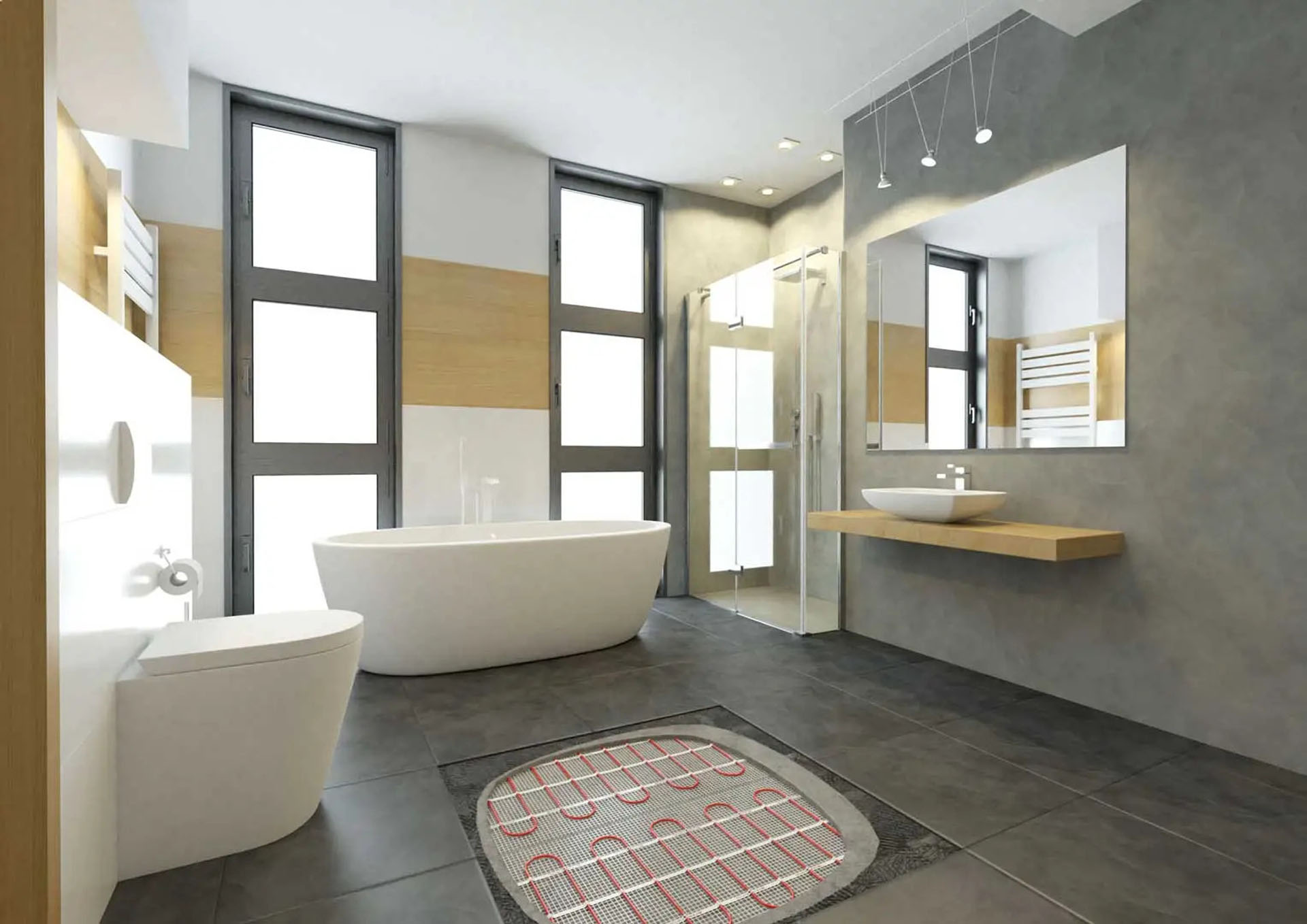
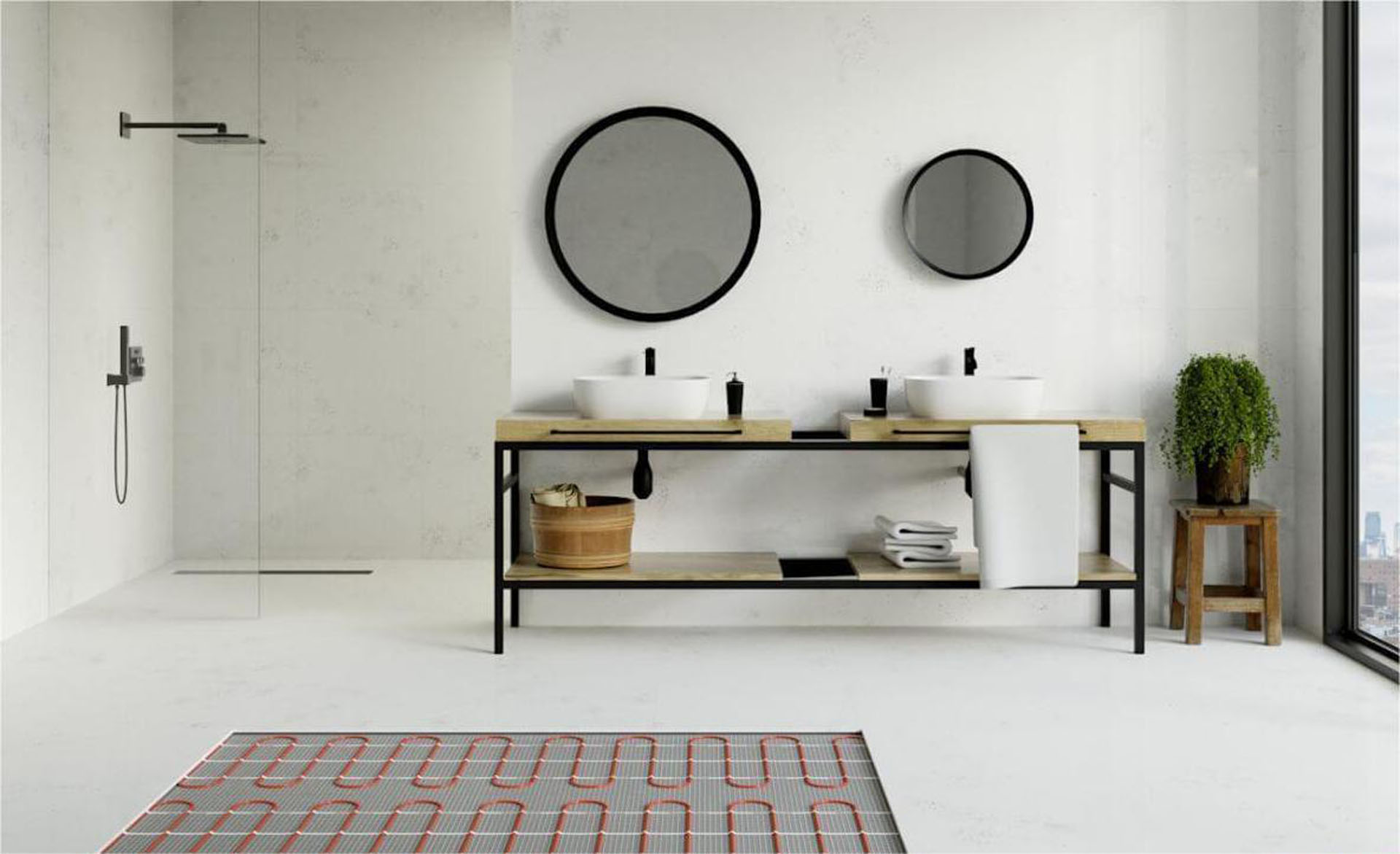
  • Insulation: Install a layer of cement board as a base to provide a stable and moisture-resistant surface. For improved thermal comfort, especially in colder climates, consider radiant floor heating systems beneath the tiles.
  • Description: Carpet is a soft flooring option available in various textures, colors, and patterns. It’s known for providing warmth and comfort underfoot.
  • Insulation: Carpet padding, usually made of foam, rubber, or felt, provides additional comfort, noise reduction, and thermal insulation. Thicker padding offers better insulation but ensure it doesn’t compromise the carpet’s fit and stability.
  • Description: Concrete floors are durable and versatile, often used in basements, garages, and modern industrial interiors. They can be polished, stained, or painted for different looks.
  • Insulation: Insulate concrete floors with rigid foam insulation boards before laying the concrete to prevent heat loss. For existing concrete floors, consider using insulated floor coverings or area rugs to improve warmth.
  • Description: Bamboo flooring is an eco-friendly alternative to hardwood, made from bamboo grass. It’s durable and has a unique appearance.
  • Insulation: Similar to hardwood, bamboo floors benefit from an underlayment of cork or foam for thermal insulation and sound reduction. This also helps in moisture control.